






"OVERTIME_PESTE TIMP"
Angela Corti, Liu Bolin, Dadamaino, Francesco Arecco, Giorgio Tentolini, Marcello de Angelis, Marcello Gobbi, Marco la Rosa, Silvia Inselvini, Nicola Vinci, Constantin Botezat, Vlad Căpuşan, Cristian Bogdan Bara, Sabina Dragomir, Bianca Brişan, Gabriela Elena David.
exhibition curated by Dan Breaz and Walter Bonomi
IAGA Contemporary ArtStrada Victor Deleu 1, Cluj-Napoca 400112, Romania 
Tel: +40 364 735428 e-mail: 13 February>15 March 2016
|
 "> "> |
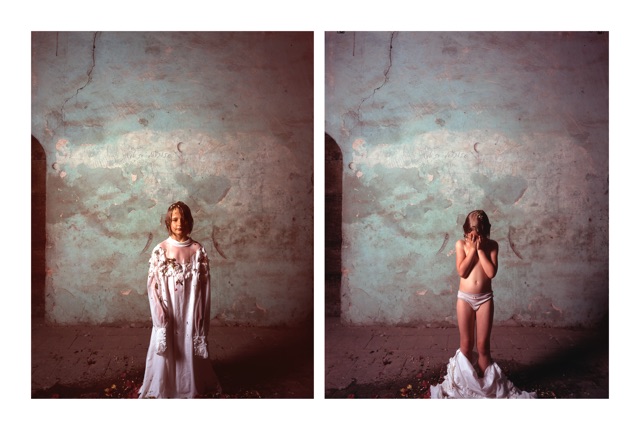 Nicola Vinci, Il Fiume 2011 print true giclèe mounted on dibond, Edition 2 example, ex. nr. 12, diptych print true giclèe montat pe dibond, diptic, 2 ediţii, fiecare lucrare 100x80 cm each one |
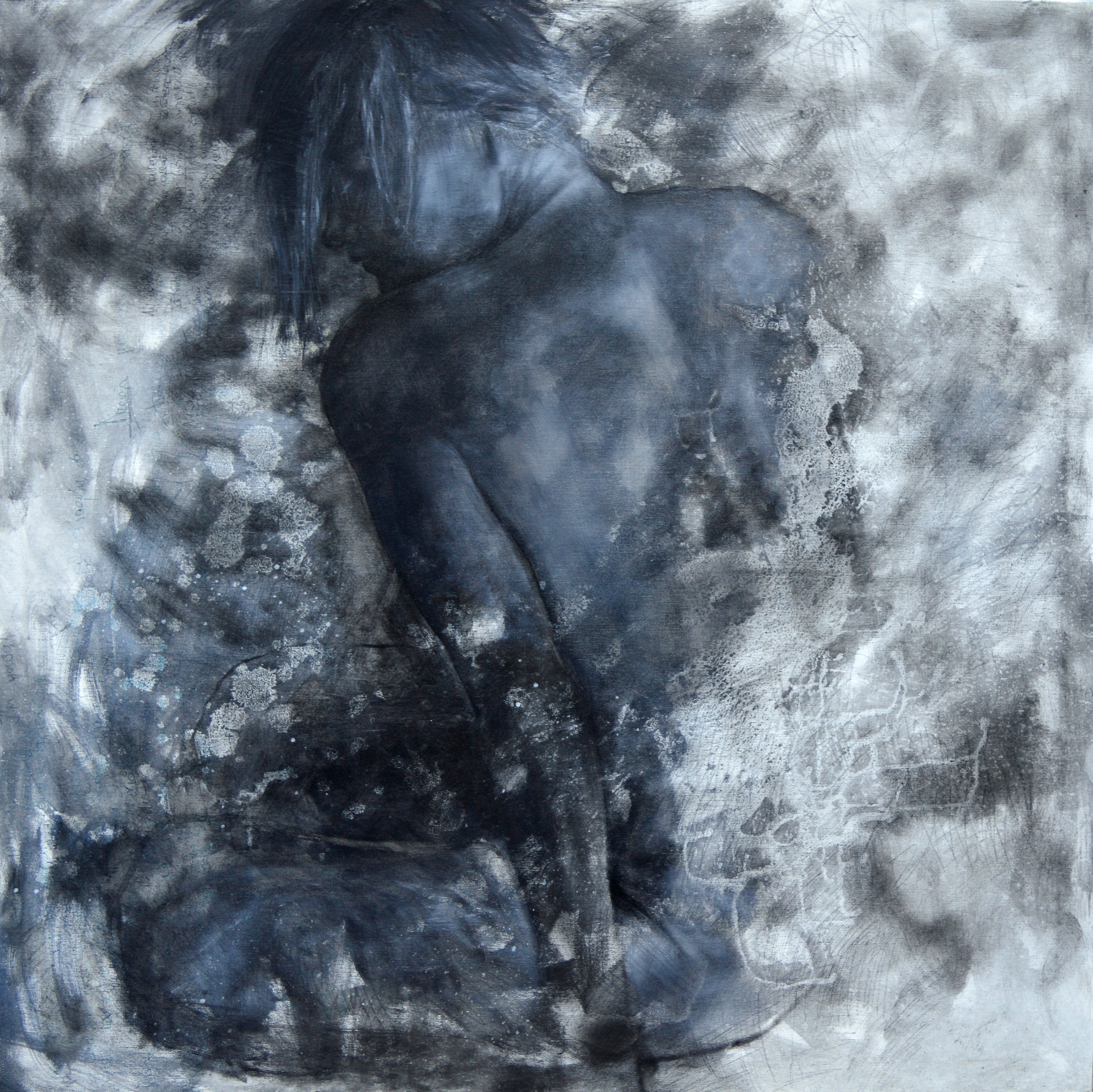 Sabina Dragomir, Deserted 2015 Olio su tela/ Oil on canvas / Ulei pe pânză 100x100 cm |
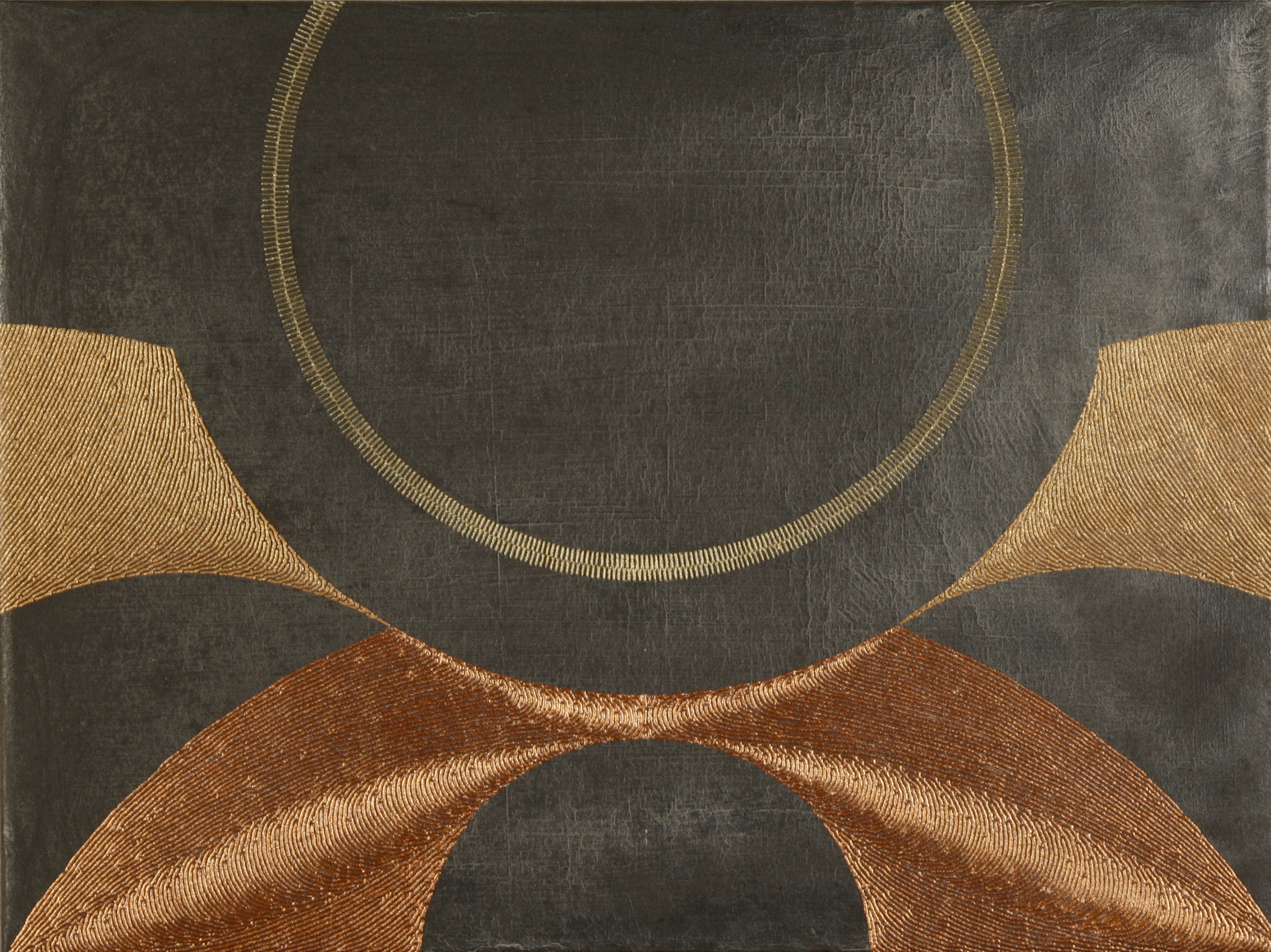 Marcello De Angelis, Il ponte 2009 Pittura acrilica iniezione su tela / Acrylic injection painting on canvas / Pictură acrilică prin injectare pe pânză 30x40 cm |
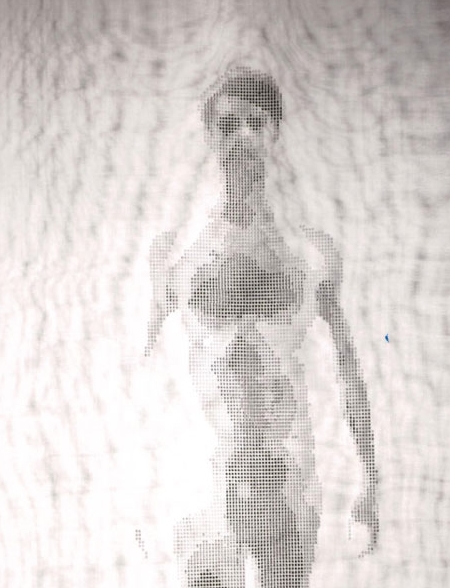 Giorgio Tentolini , L’uomo che cammina, detail, 3 pvc grids, 280x100x30 cm., 2013 |
The exhibition is an important event for the international critics and collectors, confirming the will of IAGA to be a lively cultural platform whose main objective is to develop and promote dialogue between the Italian and Eastern European contemporary art, looking at a possible future where cultural exchange and international dialogue to represent the foundation upon which to build a long-term art projects.
The Overtime/ Peste timp exhibition reveals a visual debate about our historical position, so the artists reevaluate the concept of “new”. The works seem to come after a mature and inspired interpretation of the artistic achievements of the past. Their “overtime thinking” inscribes the humanistic principles through the relativist contemporary principles. Nonetheless, their complex debate regarding the figurative/ non-figurative is intersected with their artistic investigation that questions the state of the existence of human being between a stable essence and its denomination as a visual multivalent sign.
Angela Corti works primarily in stone, being preoccupied mostly with the breakage and fragmentation of stone and hard materials. The artist reassembles deconstructed pieces of stones and emphasizes the prints of the broken materials in their quality of visual signs of the time that passes through the matter.
Liu Bolin is best known for his performance photographs that preserve snapshots of his suggestive physical appearance. These performances reflect a special attention to various social problems. Sometimes, the artist paints his body in the shapes and colours of the environment and other times he represents his own body like a transparent recipient that allow us to see the surroundings.
Since the 1970’s, Dadamaino developed a research that led her to the practice of repeating the same visual signs in order to transmit her artistic message. Starting from alphabet-like signs, the artist arrived with works of the 1990’s, like in the work Il movimento delle cose (The things movement) to a new esthetic comment about movement and time. In works like this, the dynamic visual space is created through suggestive graphic signs that describe a refined lightness.
Francesco Arecco’s artistic research uses a neo-minimalist language to develop his own poetics about spirit and matter, about what means internal and external. The shapes he creates tend to repeat in his work in order to emphasize the different modulations of some basic geometrical shapes. The discreet differences from work to work, describe a subtle vision about the action of time.
Giorgio Tentolini’s impressive graphic skills are involved in the analysis of the idea of recollection. His language builds figurative black-white image, regarding the memory in its ancient or more recent hypostasis. Giorgio Tentolini creates minutely compositions that incorporate in the image metaphors of places, dreams and visions.
The works of Marcello de Angelis are created with a special interest for the values of drawing in conjunction with the pictorial quality of his colours. His abstract perception of space and time rediscovers a meaning of the physical and metaphysical world. The idea of metamorphosis is central in the tactile suggestions offered by the sculpture of Marcello Gobbi. His works talk about the human condition in its perennial state of transition. For Marcello Gobbi, the silicone skin of the sculptures symbolize a suspended time interval, in which the transformation is not finalized yet, instead a poetry of sublime beauty is revealed.
In the more recent phase of his artistic development, Marco la Rosa’s sculptural works tend to symbolize the unpredictable “milestones”of time. At her turn, Silvia Inselvini measures time and temporality by repeating apparently unconscious abstract symbols for spiritual redeem. Nicola Vinci is a photographer concerned with the problematic of human condition from the perspective of some children that feature as characters of his visual scenarios. The children’s silhouettes, in permanent dialogue with elements of scenography are the artistic embodiments of the simple questions that haunt us in regard to the mystery of life.
A special section of the exhibition deals with the development of the figurative tradition. Constantin Botezat rediscovers the figurative language of late modernism, Vlad Căpuşan explores the tension of the absurd narrative figuration, while Cristian Bogdan Bara surprises us with his playfull vision enharited fron the direct style of primitive art and Art Brut.
Also in connection with the figurative tradition are the lyrical visions regarding the feminine nude in the works of Sabina Dragomir, the tense representations of metamorphosis in works by Bianca Brişan and the anamorphic expressionist perspective offered by Gabriela Elena David.
The exhibition visual universe ranges from realistic precision to the geometric, lyrical or minimalist abstraction, but filters everything through a relativist vision about the concept of time and aestheticism. The artist’s interest for the human being status in time and a carefully reformed vision about artistic craftsmanship reunite all the eighteen exhibitors around the idea of an “overtime” reflection.
The Overtime/ Peste timp exhibition reveals a visual debate about our historical position, so the artists reevaluate the concept of “new”. The works seem to come after a mature and inspired interpretation of the artistic achievements of the past. Their “overtime thinking” inscribes the humanistic principles through the relativist contemporary principles. Nonetheless, their complex debate regarding the figurative/ non-figurative is intersected with their artistic investigation that questions the state of the existence of human being between a stable essence and its denomination as a visual multivalent sign.
Angela Corti works primarily in stone, being preoccupied mostly with the breakage and fragmentation of stone and hard materials. The artist reassembles deconstructed pieces of stones and emphasizes the prints of the broken materials in their quality of visual signs of the time that passes through the matter.
Liu Bolin is best known for his performance photographs that preserve snapshots of his suggestive physical appearance. These performances reflect a special attention to various social problems. Sometimes, the artist paints his body in the shapes and colours of the environment and other times he represents his own body like a transparent recipient that allow us to see the surroundings.
Since the 1970’s, Dadamaino developed a research that led her to the practice of repeating the same visual signs in order to transmit her artistic message. Starting from alphabet-like signs, the artist arrived with works of the 1990’s, like in the work Il movimento delle cose (The things movement) to a new esthetic comment about movement and time. In works like this, the dynamic visual space is created through suggestive graphic signs that describe a refined lightness.
Francesco Arecco’s artistic research uses a neo-minimalist language to develop his own poetics about spirit and matter, about what means internal and external. The shapes he creates tend to repeat in his work in order to emphasize the different modulations of some basic geometrical shapes. The discreet differences from work to work, describe a subtle vision about the action of time.
Giorgio Tentolini’s impressive graphic skills are involved in the analysis of the idea of recollection. His language builds figurative black-white image, regarding the memory in its ancient or more recent hypostasis. Giorgio Tentolini creates minutely compositions that incorporate in the image metaphors of places, dreams and visions.
The works of Marcello de Angelis are created with a special interest for the values of drawing in conjunction with the pictorial quality of his colours. His abstract perception of space and time rediscovers a meaning of the physical and metaphysical world. The idea of metamorphosis is central in the tactile suggestions offered by the sculpture of Marcello Gobbi. His works talk about the human condition in its perennial state of transition. For Marcello Gobbi, the silicone skin of the sculptures symbolize a suspended time interval, in which the transformation is not finalized yet, instead a poetry of sublime beauty is revealed.
In the more recent phase of his artistic development, Marco la Rosa’s sculptural works tend to symbolize the unpredictable “milestones”of time. At her turn, Silvia Inselvini measures time and temporality by repeating apparently unconscious abstract symbols for spiritual redeem. Nicola Vinci is a photographer concerned with the problematic of human condition from the perspective of some children that feature as characters of his visual scenarios. The children’s silhouettes, in permanent dialogue with elements of scenography are the artistic embodiments of the simple questions that haunt us in regard to the mystery of life.
A special section of the exhibition deals with the development of the figurative tradition. Constantin Botezat rediscovers the figurative language of late modernism, Vlad Căpuşan explores the tension of the absurd narrative figuration, while Cristian Bogdan Bara surprises us with his playfull vision enharited fron the direct style of primitive art and Art Brut.
Also in connection with the figurative tradition are the lyrical visions regarding the feminine nude in the works of Sabina Dragomir, the tense representations of metamorphosis in works by Bianca Brişan and the anamorphic expressionist perspective offered by Gabriela Elena David.
The exhibition visual universe ranges from realistic precision to the geometric, lyrical or minimalist abstraction, but filters everything through a relativist vision about the concept of time and aestheticism. The artist’s interest for the human being status in time and a carefully reformed vision about artistic craftsmanship reunite all the eighteen exhibitors around the idea of an “overtime” reflection.

OPENING:
Friday, on 12 February, from 7 p.m.
mpefm
ROMANIA art press release
Gallery Hours :
Every day from 9:30 to 19:00 Sunday only with appointment. Monday Closed
mpefm has promoted this page free in the following social networks. Click the icons to see the press release


 |
||||
 Liu Bolin |
Dadamaino |
Marcello de Angelis |
Silvia Inselvini |
Nicola Vinci |
mpefm has promoted this page free in the following social networks. Click the icons to see the press release
Download the QR code on this page and enter in your site, social networks or email